
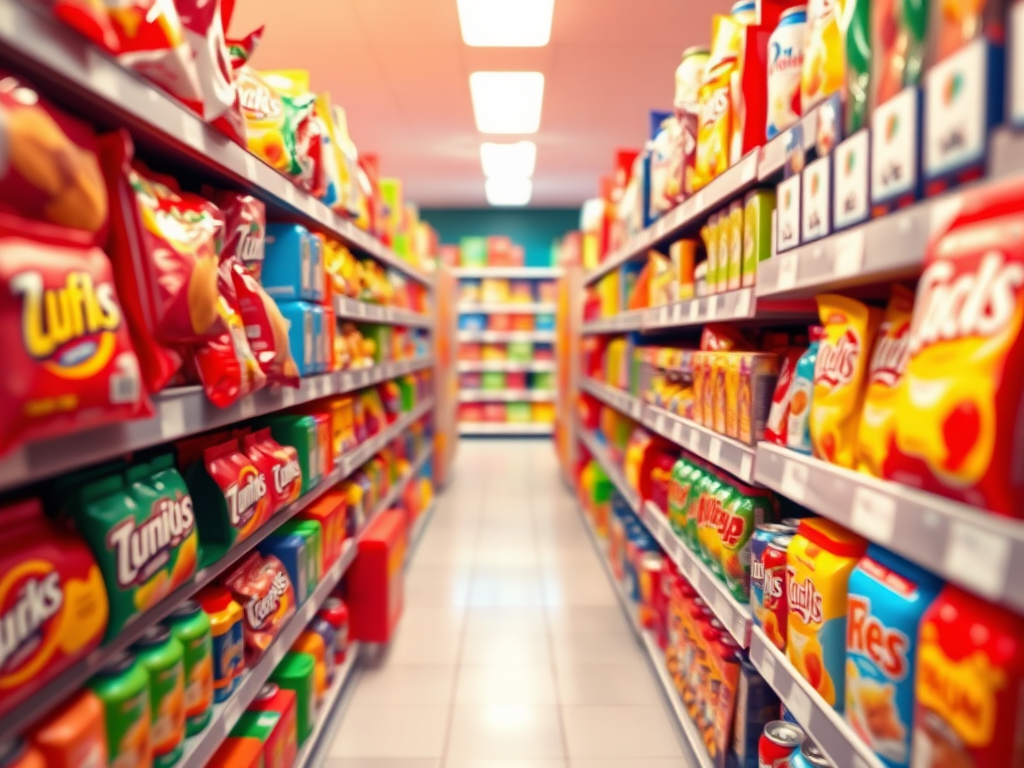
The news has recently picked up on rumblings from the Trump Administration concerning SNAP benefits and the kind of food recipients should be able to buy with them. The biggest splash from these rumblings concerns “junk foods.” Included under this heading are things like potato chips, sodas, and various sweets. Allegedly, the Trump Administration intends to restrict SNAP recipients’ abilities to buy these products using their welfare benefits.
As with everything, there are at least two sides to this issue.[1]
On the one hand, some people claim that such a move is dehumanizing. The argument goes that people who are on welfare are already in a vulnerable place. They are already severely restricted in what they can do by their impoverished state: they cannot travel, go out to eat, or buy toys for their children. By taking away their freedom to buy the food they want to eat, you are removing one of the few real choices left to them.
Choices, and freedom, are key not only to being an American, but to being human. By not being allowed to buy the food they want, we would be further “other”-ing those on food assistance. By making them feel less human, we are incentivizing the indigent to lash out in order to reclaim their personhood and humanity. When one does not have a job, does not have money, and does not have the ability to make any choices for themselves, what else is there to do but rage against the system that put them in that position?
Further, such a move effectively turns the government into a babysitter for the indigent. This policy tells those receiving benefits that the government knows what foods they and their families need more than they do. Additionally, many receiving SNAP benefits work multiple jobs. They do not have time to cook elaborate, homemade meals between shifts. Junk foods are necessary for them to put food on the table for themselves and their families in a timely manner.
On the other hand, others claim that the move makes sense: both economically, as well as societally. From the economic perspective, reducing reliance of the disadvantaged on junk foods is a step toward easing the strain on our healthcare system. It is no secret that junk foods are full of empty calories that cause obesity. The United States is one of the most obese nations on the planet. Obesity is the cause of many serious health issues; it is also a comorbidity with many ailments. Treating these ailments strains the already struggling American healthcare system, increasing the price of care for everyone by reducing the supply of services and medicines available. Thus, by reducing impoverished persons’ dependence on junk foods, the obesity rate will decrease, the number of serious ailments will fall, and the pressure on our healthcare system will be somewhat alleviated.
There are other economic benefits to reducing indigent dependency on junk foods. A healthier person is a more active person. A more active person is going to produce more for the economy. Additionally, a more active person is more likely to have the energy to climb the economic ladder, ultimately resulting in them no longer requiring welfare benefits. This will both empower the once-indigent to have more freedom in their own lives, and will release the state from the economic albatross of having to provide for them.
On a societal level, taxpayers want the abovementioned economic benefits. Because those on SNAP are having their food bought by the taxpayers, it makes sense that the taxpayers should get a say in what they can and cannot buy. Additionally, ignoring the economic benefits a healthier population provides, socially we also want a healthier population. Healthier people, as mentioned, are more active people. More active people participate in their respective communities in an outsized manner. Communities are the building blocks of our civilization—the more people participating in them via church, work, clubs, and other means, the more our civilization as a whole flourishes.
Also from a societal point of view, the fact that so many indigent persons relying on SNAP are single parents actually speaks to an argument in favor of prohibiting junk food purchases under the program. This is because society implicitly has a vested interest in ensuring the next generation grows up to be healthier and more productive than the one before it. One way to help guarantee this happens is by seeing to it that our children only eat the best, most nutritious foods, rather than the ones most expedient for their parents to prepare.
Finally, the proposed prohibition is not complete, meaning the indigent can still buy junk foods; they just cannot buy them with taxpayer funds. This means that, if one wishes to buy their child a treat from the supermarket, they still can with their own funds. As of 2018, “[m]ore than three-quarters of those families” receiving benefits “had at least one person working and about one-third included two or more workers, a clear indication that many families that rely on nutritional assistance worked,” meaning that most families still have some discretionary funds with which to purchase junk food if they wish.[2]
For these reasons, I do believe it is good policy to prohibit SNAP recipients from buying junk food with their benefits. In my next post on this subject, though, I intend to discuss the “crossroad” of this issue with Christianity: namely, how do we ensure this prohibition does not turn into a punishment, or penalty, for being poor?
[1] This is a non-partisan political issue, and I am not making a partisan argument within this article. My opinions expressed herein are mine alone, and are not endorsed by—nor do they represent—the United States Government generally, or the Department of Defense specifically. I am not criticizing the President, Congress, or the Governor of the state in which I am stationed.
[2] https://www.census.gov/library/stories/2020/07/most-families-that-received-snap-benefits-in-2018-had-at-least-one-person-working.html
 The Crossroads Commentary
Leave a comment